Showing posts with label wine. Show all posts

Friday, November 9, 2012

White Port... A Long Forgotten Wine of the 18th Century

One of the beverages which has been lost from popular consumption since the late Colonial Period is White Port. While not as common as Rum, Madeira and Red Port, it was still a fairly common imported beverage in late colonial Annapolis.

Today White Port is still available and Warre's White Port is one very nice bottle to enjoy for anyone wishing to sample this wine. Warre & Company was founded in 1670 and in 1729 became known as Warre when William Warre joined as a partner.

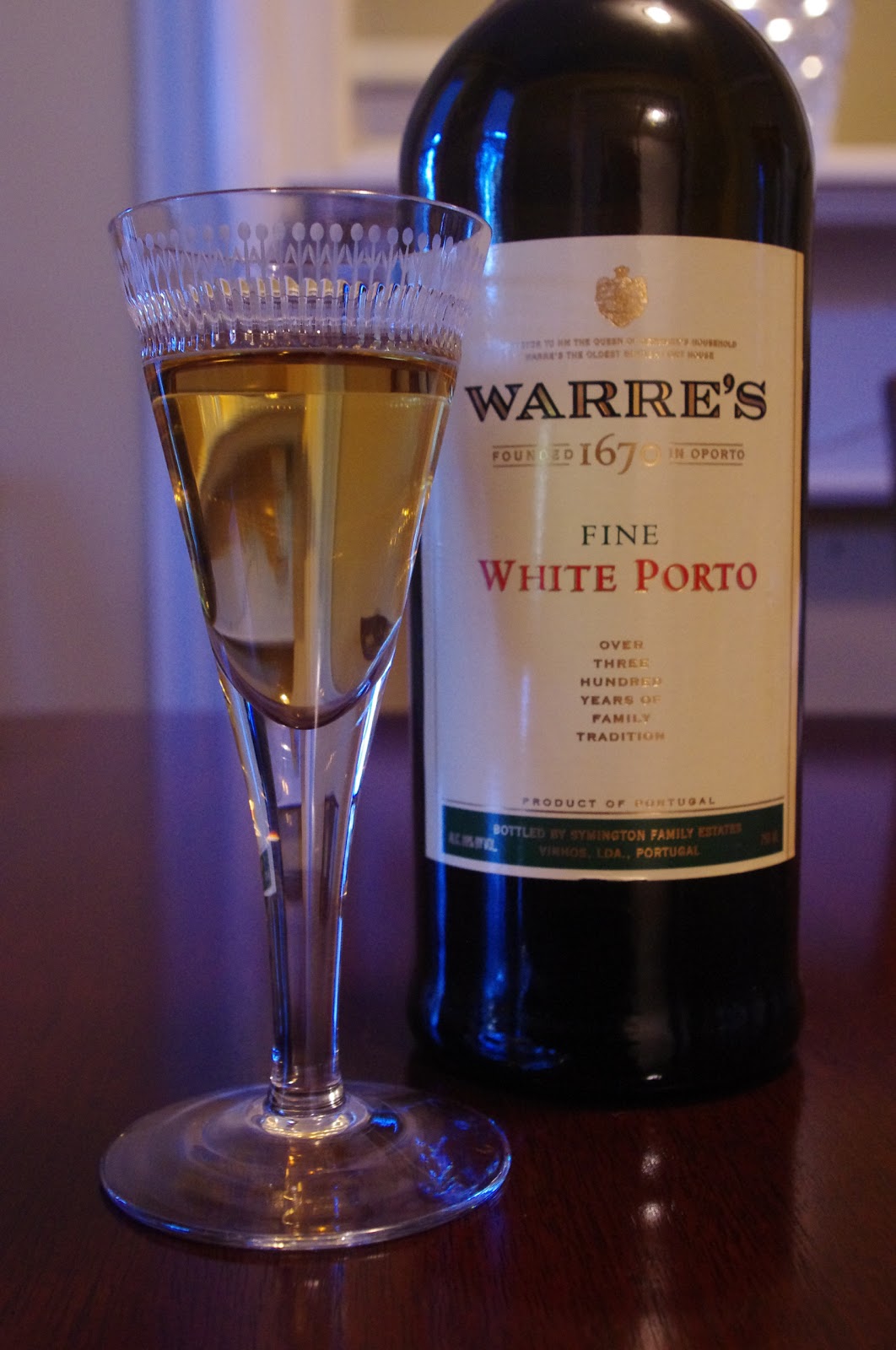


Their White Port is made from a blend of traditional Portuguese varieties from the Douro Valley. After about 48 hours of fermentation to reach the desired sweetness of the wine, Brandy is added to fortify the wine. The wine is aged an average of 3 years in oak casks and is ready to drink when bottles.

This wine is a pale straw color, with a smooth, delicate nose and fruity palate with a long crisp finish. It is an excellent wine to drink during the day when Red Port might be a bit too rich, as well as an excellent accompaniment to food.

Merchants in Annapolis imported and sold White Port as seen in this advertisement from such as Charles Wallace & Company in the Maryland Gazette on June 7, 1764.


Other merchants, such as Baltimore merchant Archibald Buchanan, would place orders with Wallace Davidison & Johnson of Annapolis, to import White Port on their behalf. This was done in 1773 when they placed an order for one gross of good White Port.

The selling of White Port was not limited to merchants. William Aikman, book seller and stationer in Annapolis advertised a few gross of White Port for sale in the Maryland Gazette on June 2, 1774.

 
So if you are looking for a slightly different taste of the 18th century, pour yourself a glass of White Port and enjoy. I know I will be enjoying many more bottles of White Port in the future!

All Rights Reserved.

Tuesday, October 30, 2012

Madeira... Developing a Taste for that Favorite Wine of the 18th Century

In the late colonial period in the British North American Colonies which later became the United States of America, Madeira was king. While there are references to Port, Hoch and Claret, it is Madeira which was imported and consumed in greater quantities than any other wine. 

In 1665 the British government gave Madeira a boost in their North American colonies when they exempted it from being shipped on British ships from British ports to the colonies, as was required of all other European goods.


It appears that as war approached between the colonies and Great Britain trade with Madeira began to slow as well. The last reported importation of Madeira before the war began was on December 8, 1774, when the schooner Polly arrived from Madeira with 30 pipes (a pipe is equal to 110 1/2 gallons) of Madeira aboard.

Like Port, Madeira is a fortified wine to which Brandy has been added. But unlike other fortified wines, Madeira is heated for several months, in special vats or attics, or in the 18th century the hulls of ships crossing the Atlantic as well. It is a style of Madeira, not specifically identified in writings of the 18th century by name, which became known as Rainwater in the 19th century which was the king of Madeira wines.


Rainwater got its name from its pale color, delicate texture and flavor. Unfortunately in the 20th century the name rainwater became associated with sweet soft wines which had nothing in common with the great wines formerly known as Rainwater and most who come across a bottle of this style wine today will taste a poor wine with very little in common with the 18th century.

The Rare Wine Company purchased some bottles of Rainwater Madeira which was imported into New York in the 1820s and put into glass, preserving a flavor of the 19th century wine which was not influenced by oak barrels. They shared samples of this wine with Barbieto wine maker Ricardo Freitas and asked him to model their own Rainwater, called Baltimore Rainwater after the huge popularity of this wine among Baltimore Society into the 20th century.


They began with a base of 80% Verdelho in lots ranging from 2 to 13 years. Verdelho would have been the most common in early Rainwater Madeira. To this were added two different lots of old Tinta Negra Mole. Each of these components was aged in the time honored Cantiero method period to entering the blend.


They have succeeded in producing for the first time in over 50 years a Rainwater Madeira truly worthy of that name given to the great wines of Madeira.


What you are presented with is an wine of ethereal body, great finesse and delicate flavors with just a touch of sweetness.


All Rights Reserved.